Even before AI came along to threaten every aspect of the arts, the 21st century music scene has been marked by a notable shift towards a digitized cleanliness that has made much of it sound like it was created by robots in the first place. AutoTune has robbed the humanity and character of the human voice, while an increasing reliance on pre-programmed beats, samples, post-production tinkering has made much of the most popular music sterile, repetitive and lacking in human spontaneity and spark.
Electronica and Its Counterpoints
Electronic “instruments” have been part and parcel with pop music since the ‘60s, of course. From the weird electronica of the Silver Apples through Pete Townshend’s groundbreaking use of synthesizers to add color to the Who’s 70s work through David Bowie’s “Berlin Trilogy” to the rise of synth pop in the ‘80s as led by bands like Orchestral Maneuvers in the Dark and New Order to the explosion of techno in ‘90s rave culture, computers and synthetic instruments have been used to compliment and enhance the more traditional instrumentation, both electric and acoustic, in popular music.
It’s not for nothing, however, that there was always a rootsy counter to every electric advancement. While Townshend and Bowie were messing around with synths (often to excellent effect), the singer songwriter movement was in full string with its unvarnished acoustic guitars and lonely pianos sometimes being backed up by honest to goodness orchestration. In the ‘80s, when drum machines were everywhere and synths ruled the airwaves, there was a college rock scene that may have used electric rather than acoustic guitars, but still represented a back to basics approach to making music.
And even when pop music did go back to basics with the advent of grunge and the explosion of alt-rock, Americana, which was a combination of various American music traditions like blues, country, and folk, took wing as a gentler, more “old school” approach to rock music. Bands like the Jayhawks and artists like Neko Case represented this old-new approach to music and they would continue to flourish in the 2000s as a counterpoint to an increasingly commercial and poppy country sound.
Hip Hop, Autotune and the Computerization of Pop
As the 2000s turned into the 2010s, rock music had fallen out of favor as the main form of popular music that the “kids” listened to and hip-hop, a genre only fifteen years younger than rock and roll, rose to mainstream prominence. And with it came a heavier emphasis on computerized music than ever before.
Hip hop had been immersed in the increasingly digital world since the ‘80s and it would make increasingly heavy use of samples from other songs and preprogrammed backing tracks for artists to rap over. The problem is that though this approach would work wonders for the best hip hop artists of the past half century, its new dominance in the field would result in a pop music that didn’t just forego melodies and hooks for grooves and cheap repetitiveness, it would become increasingly inorganic - written by armies of songwriters and processed into oblivion by the latest tech, including, most infamously, AutoTune.
If ever there was a time for a human response to the digitization of music it was over the past twenty years, and increasingly so as the decades went on. Fortunately, that’s exactly what happened.
Turntables, New Folk, and Old Country.
Of all the trends that show a wish by many to get back to more traditional sounding music, it must be the rise and rise of vinyl culture. Not only in the sense of people wanting to own physical copies of their favorite music, even in the age of HD streaming, or perhaps especially because of streaming, but that what they're looking for is the sort of music that sounds especially good on a turntable. They needn't even be total luddites as Bluetooth turntables are the medium of choice for all but the pickiest of audiophiles (and even there, see Vinyl Pickup for a selection of the very best bluetooth turntables) but they realise that there is something extra human about listening to music that is literally carved into the grooves of a vinyl record.
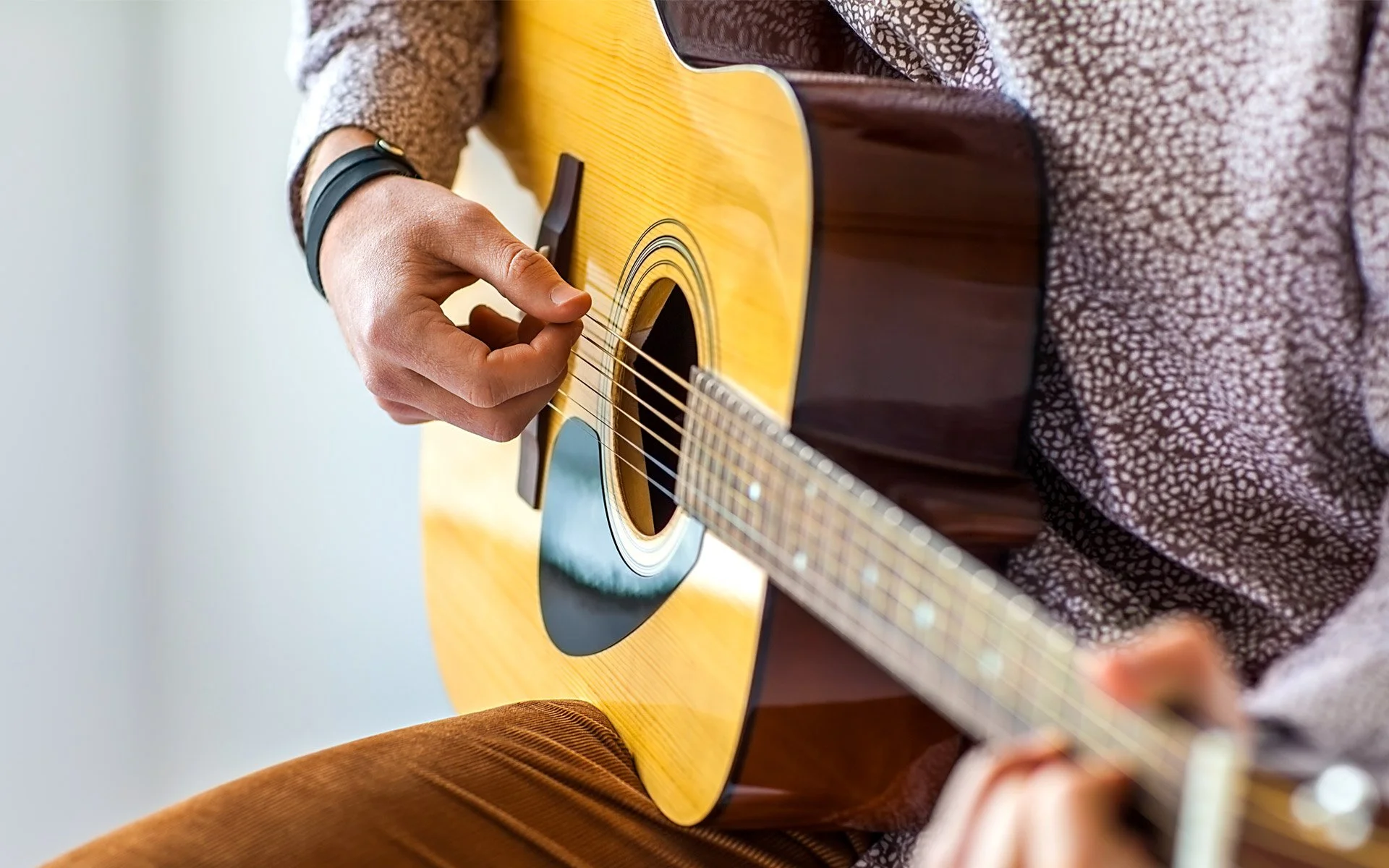
A lot of vinyl fans tend to go for classic releases of everyone from Sinatra to the Beatles to NWA, but there is a major market for new “old school” music, especially those that make heavy use of acoustic instruments as diverse as acoustic guitars, banjos and mouth harps. This is certainly reflected in the rise of the so-called New Folk Music made super popular by the likes of the Lumineers, Mumford and Sons, and best of all, the Avett Brothers.
Unlike traditional folk, this new, extremely popular genre would have a punkish, high octane energy - though sometimes at the expense of actual good songwriting and performing - but the main appeal of them has always been how rustic their music sounds.
Happening concurrent to this was yet another reshaping of country music. Overly slick pop flavours of country would give way to a kind of country that made the early 2000s alt-country largely redundant by not just harkening back to Hank Williams and Willie Nelson but Skynyrd and Creedence, with extra helpings of Muddy Waters and Howlin’ Wolf. Driven by the likes of Sturgill Simpson and Jason Isbell, modern country suddenly became a new home not just for classic country fans, but classic rockers and bluesmen too.
Things truly have a way of coming back around again.