
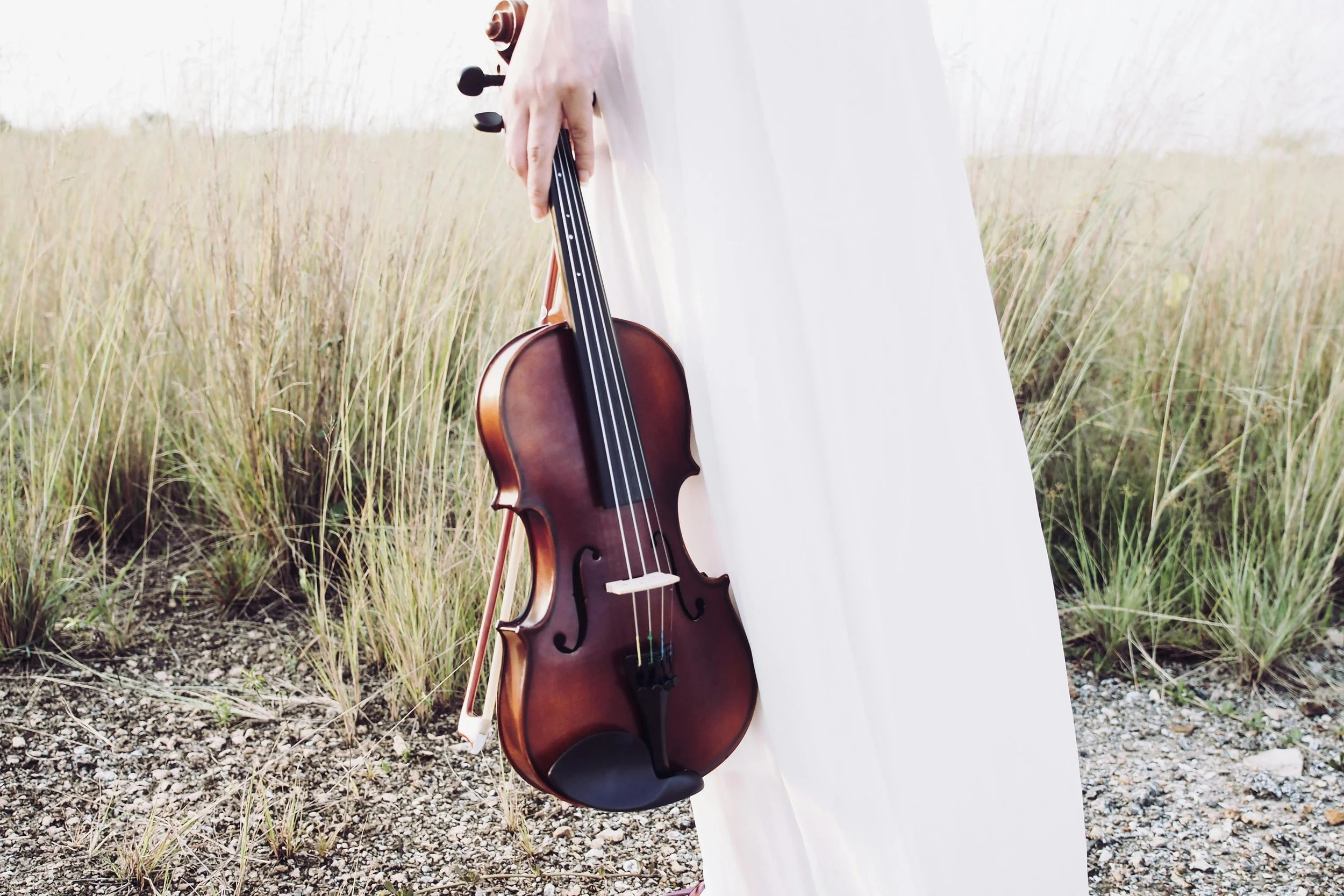
For professional violinists, the instrument isn’t just a tool—it’s a trusted partner. Years of practice, countless performances, and sometimes even family legacy can rest in that delicate wooden body. But playing well is only half the story. Protecting your violin is just as important to keep the music flowing. A single mishap—whether it’s a sudden bump, extreme weather, or careless handling—can lead to damage that disrupts your sound and your career.
That’s why pros don’t leave their instrument’s safety to chance. From choosing the right case to following smart daily habits, every step counts. For example, investing in Great Violin Cases with solid construction and smart features can be a game-changer. These cases offer protection against shocks, moisture, and more, giving musicians peace of mind no matter where they play.
Let’s break down the essential ways you can keep your violin safe—whether you’re on stage, on the road, or at home.
Handle with Care: Daily Habits That Make a Difference
How you treat your violin daily sets the foundation for its longevity. Here are some simple but effective habits every player should follow:
Clean Your Hands First: Oils, dirt, and sweat can wear down the varnish or affect the wood. Before picking up your violin, give your hands a quick wash and dry to keep your instrument looking and sounding its best.
Avoid Excess Pressure: Never grip the violin by the neck or apply pressure on fragile parts like the bridge or tuning pegs. Support it gently and always use both hands when moving it.
Don’t Leave It Out: Leaving your violin on an unstable surface or unattended can lead to accidents. Always put it back in its case or on a secure stand after playing.
Check for Loose Parts: Before and after practice sessions, glance over your violin to catch anything loose or out of place. Early detection means easier fixes and less damage.
These small habits aren’t glamorous, but they protect your investment in the long run.
Smart Storage: Creating the Ideal Home for Your Violin
Storing your violin properly when you’re not playing is just as crucial as how you handle it on the go. The right storage conditions help prevent warping, cracks, and other damage caused by environmental factors.
Keep It in Its Case: A good case provides physical protection and helps maintain a stable environment. Cases with snug interiors prevent the violin from shifting during storage.
Watch the Climate: Violins thrive in moderate humidity levels—ideally between 40-60%. Too dry, and the wood can crack; too moist, and it can swell or warp. Using a humidifier or dehumidifier in your practice room helps maintain balance.
Avoid Extreme Temperatures: Sudden heat or cold shocks can damage your violin’s wood and glue joints. Never leave it near heaters, windows with direct sunlight, or in a car on a hot day.
Store Accessories Separately: Keep bows, rosin, and cleaning cloths organized but apart to avoid accidental damage. Many quality violin cases include compartments for these essentials.
Following these guidelines creates a safe, consistent environment that supports your violin’s health over time.
Transporting Your Violin: Traveling Like a Pro
Taking your violin out of its usual space introduces new risks—bumping, dropping, or exposure to rough conditions. Pros develop habits and gear choices that help keep their instruments safe no matter the journey.
Use a Hard Case with Secure Locks: Soft gig bags might look convenient, but they don’t offer the same protection against impact or crushing. Hard cases with reliable locks are standard for a reason.
Check Padding and Fit: Your case should hold your violin firmly without forcing it. Interior padding cushions against shocks, while a perfect fit prevents unnecessary movement.
Add Climate Control Features: Some cases come with built-in humidity control or compartments for humidifiers, helping combat dryness during travel.
Handle with Intention: Carry your case carefully, avoid tossing it, and if you’re checking it in on a flight, use a well-padded case and mark it fragile.
Use a Shoulder Strap or Backpack Option: For hands-free travel, cases with comfortable straps reduce the chance of dropping or bumping your violin.
The difference between a scratched violin and a stage-ready instrument often comes down to these transport details.
Cleaning and Maintenance: Keeping Your Violin Performance-Ready
Beyond storage and handling, regular cleaning and maintenance keep your violin sounding and looking its best. Professional musicians often follow routines that prevent buildup and catch potential problems early.
Wipe Down After Playing: Use a soft, lint-free cloth to remove rosin dust, fingerprints, and sweat from your violin and bow after every session.
Avoid Household Cleaners: Stick to products designed specifically for violins. Harsh chemicals can damage the varnish or wood.
Check the Bow Hair: Over time, bow hair wears down and may need rehairing. Keeping your bow in good shape preserves sound quality.
Inspect Strings Regularly: Strings can deteriorate with time and moisture. Change them as needed, and always keep a spare set handy.
Schedule Professional Checkups: Annual visits to a trusted luthier ensure your violin stays in top condition, with repairs or adjustments done before issues become serious.
Routine care is key to avoiding costly repairs and maintaining the sound quality you rely on.
What to Look for in a Violin Case: The Unsung Hero
A great violin case isn’t just a box—it’s the first line of defense. When selecting a case, keep these pro-approved features in mind:
Durability: Materials like fiberglass, carbon fiber, or molded plastics offer strong protection against knocks and drops.
Weather Resistance: Cases that seal tightly against moisture and dust guard against environmental damage.
Lightweight Design: You want protection without the extra bulk, especially if you’re traveling often.
Comfortable Carry Options: Padded handles, backpack straps, or shoulder straps make transporting your violin easier and safer.
Interior Fit and Padding: A snug, cushioned interior holds the violin steady, reducing the risk of internal damage.
Accessory Storage: Compartments for bows, rosin, shoulder rests, and tuners keep everything organized and secure.
Musicians who invest in premium cases like Great Violin Cases often find their instruments last longer and travel better—making the case well worth the investment.
Protecting Your Investment: Insurance and Documentation
Even with the best care, accidents happen. Professional musicians often protect their instruments further by:
Getting Instrument Insurance: Specialized policies cover theft, loss, and damage, giving financial peace of mind.
Keeping Documentation: Photographs, receipts, and appraisal certificates help speed up claims and prove ownership.
Marking Your Violin: Some pros discreetly mark or engrave their instruments for identification.
Insurance isn’t a replacement for careful handling, but it’s an important safety net.

Final Thoughts: Protect Your Music, Protect Your Violin
Your violin deserves the same care and attention you put into your playing. By adopting daily habits, investing in a quality case, maintaining ideal storage, and traveling smart, you reduce risks and keep your instrument ready for every performance.
Remember, great sound starts with a well-cared-for violin. Following the tips pros use helps you get the most out of your instrument—and keep the music alive for years to come.